
A Look Back at Performance Testing
Real-world performance and stability issues show the limits of functional testing and prove why continuous comprehensive testing (CCT) is essential for true software quality.
TABLE OF CONTENTS
Lessons from the Trenches
While Testaify's first version focuses on functional testing, we continue encountering real-world examples that underscore the critical importance of performance testing in software development. These aren't just theoretical concerns—they're issues we see affecting actual applications in our testing environment.
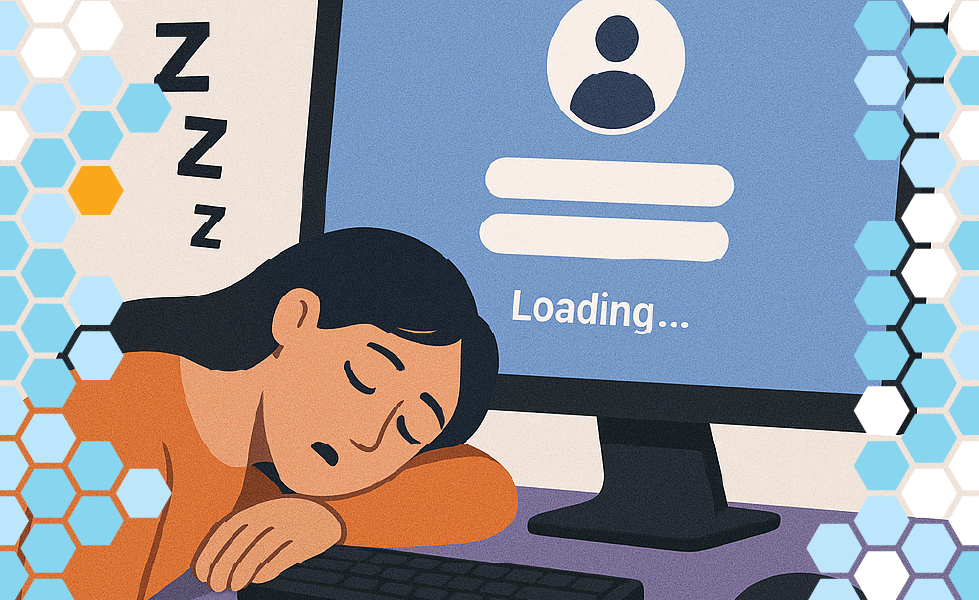
The Login That Takes Forever
One application in our system has a login sequence that takes at least 12 seconds before users can complete authentication and arrive at the landing page. Twelve seconds. In an era where users expect instant gratification, and Google research shows that 53% of mobile users abandon sites that take longer than three seconds to load, a 12-second login is unacceptable.
This example is a textbook case of a performance issue. The system functions—users can eventually log in and access their accounts—but the user experience suffers dramatically. From a functional testing perspective, everything passes. The login works. The landing page loads. All the features are there. But from a performance standpoint, this application is failing its users every single time they try to access it.
This example perfectly illustrates why we need PSSR (Performance, Scalability, Stability, and Reliability) testing, not just functional validation. The question isn't just "Can users log in?" but "Can the system provide an acceptable response time with no errors and efficient use of resources?"
The Mystery Error Messages
Another application in our testing environment periodically displays error messages indicating a lack of permissions, even though the user has full access rights to that page. These messages don't appear consistently—they pop up seemingly at random, making them difficult to diagnose and even more challenging to reproduce. Testaify uses multiple users and runs continuously for more extended periods than human testers, so we end up finding issues like this one.
This behavior points to stability issues that functional testing alone won't catch. The application works most of the time, but under certain conditions—perhaps related to load, concurrent users, or system resources—it breaks down. These are precisely the kinds of problems that emerge when teams skip stability testing.
Stability testing asks: How long can the system provide acceptable response time with no errors for a significant period without intervention? If your application occasionally throws random permission errors, the answer is "not long enough."
Why These Issues Matter
Both examples demonstrate gaps that functional testing cannot fill. Functional tests validate that features work as designed. They check that login credentials are accepted, that pages load, and that users can navigate through the application. But they don't measure response times. They don't stress-test the system under realistic loads. They don't run for extended periods to identify intermittent failures.
As we've discussed in our previous posts about performance testing and AI's potential role in this space, modern applications require comprehensive testing strategies. Teams can no longer afford to treat performance, scalability, stability, and reliability as afterthoughts or "nice-to-haves."
Looking Forward
While Testaify currently delivers autonomous functional testing, these real-world encounters remind us why our long-term vision includes comprehensive testing across all quality dimensions. The goal isn't just to verify that software works—it's to ensure that software works well, consistently, and at scale.
Performance problems often slip through because teams lack the time, tools, or expertise to test thoroughly. When a 12-second login makes it to production, or when mysterious permission errors plague users, it's usually not because teams don't care about quality. It's because performance testing requires specialized skills, expensive tools, and significant time investment that many organizations simply don't have.
The applications we're testing today serve as powerful reminders: functional correctness is necessary but not sufficient. True software quality demands attention to the complete user experience, including the performance characteristics that can make or break user satisfaction and retention.
These aren't just testing problems. They're business problems that affect user satisfaction, retention rates, and ultimately, the bottom line. And they're exactly why comprehensive testing strategies matter more than ever.
About the Author
Testaify founder and COO Rafael E. Santos is a Stevie Award winner whose decades-long career includes strategic technology and product leadership roles. Rafael's goal for Testaify is to deliver comprehensive testing through Testaify's AI-first platform, which will change testing forever. Before Testaify, Rafael held executive positions at organizations like Ultimate Software and Trimble eBuilder.
Take the Next Step
Testaify is in managed roll-out. Request more information to see when you can bring Testaify into your testing process.